Walk into any tile showroom and you will see thousands of options that look similar at a glance. Yet the decision between porcelain and ceramic carries long consequences for durability, maintenance, and cost. Choosing wisely is less about memorizing lab specs and more about matching performance to how your home actually lives. I will break down the technical differences in plain terms, then translate those into real rooms, real traffic, and real budgets.
What porcelain and ceramic really are
Both porcelain and ceramic belong to the broader family of fired clay tile. The core differences come from the clay mixture, how finely it is ground, the pressure used to form it, and the temperature of the kiln.
Porcelain uses denser, more refined clays, pressed harder and fired hotter, typically to lower water absorption than standard ceramic. That low absorption means it resists moisture, stains, and temperature swings better than ceramic. Porcelain often comes as through-body or color-body tile, where the base material is similar in color to the surface, which helps camouflage chips. Many porcelain tiles are also rectified, meaning they are mechanically trimmed after firing to achieve razor-straight edges for tight grout joints.
Ceramic uses less dense clays, fired at slightly lower temperatures. The firing method and body composition create higher water absorption than porcelain. Ceramic is usually glaze-over-body, so the surface design sits atop a clay base that may be a different color. Chips are more visible, yet ceramic remains a workhorse for walls, light-duty floors, and areas where you want variety at a friendly price.
The gist: porcelain is tougher and more moisture resistant. Ceramic is more forgiving to cut and install, usually costs less, and comes in a wide palette of colors and sizes.
A practical test for your home
When I advise homeowners, I run through a simple, experience-based test. First, is the space exposed to moisture, mud, or freeze-thaw conditions? Second, how hard is the abuse, measured by traffic and impact from dropped items? Third, how flat and stiff is your subfloor? Finally, how fussy do you want to be about installation tolerances and future maintenance?
Kitchen floors, entryways, mudrooms, and bath floors and showers impose the harshest demands. Porcelain earns its keep in those zones. Powder rooms, backsplashes, and low-traffic bedrooms can be perfect for ceramic, where design freedom and cost control matter more than heavy duty performance.
Laboratory ratings you will actually use
Manufacturers list specifications like PEI, MOHS hardness, COF, and water absorption. A few matter every day, others only at the margins.
- Water absorption: Porcelain is usually rated at 0.5 percent or less. That low absorption keeps stains and moisture at bay, and it helps in climates with freeze-thaw cycles or radiant floor heat. Most ceramic will sit above that threshold, which is fine indoors but less reliable for exterior exposure. PEI, a wear rating for glazes: For floor use, aim for PEI 3 or higher in a residential setting. Porcelain with a solid body and a matte, textured surface often sidesteps glaze wear concerns, but confirm ratings for polished finishes. COF or DCOF, a slip measure: For floors, look for at least 0.42 DCOF in wet conditions. Heavily polished porcelain tends to be slick when wet. On shower floors, small mosaics with many grout joints boost traction regardless of material. Shade and caliber: Tiles vary slightly by dye lot and size. Rectified porcelain allows tighter joints, often 3/32 to 1/8 inch, but it demands a flatter substrate and more precise setting. Non-rectified ceramic likes a slightly wider grout joint that hides size variation.
I have seen homeowners chase fractional differences in spec sheets that never translate to the lived experience. Get the right water absorption for the room, a slip rating that fits the surface use, and a wear rating that matches traffic. Beyond that, your eyes and budget should lead.
Why porcelain costs more, and when it is worth it
Porcelain’s higher density raises manufacturing costs. Cutting and drilling porcelain also requires better blades, continuous water cooling when possible, and patience. Installers factor this time and tooling into labor. For a typical kitchen, the material and labor premium might add 15 to 30 percent over ceramic, depending on tile size, layout complexity, and subfloor prep.
That premium buys impact resistance, stain resistance, and stability across seasons. In a Chicago mudroom where salt, grit, and melted snow grind into the floor, we have seen porcelain keep its finish for a decade-plus with simple cleaning. In a second-floor laundry with a washer overflow, porcelain will not blink. Ceramic can do well in many settings, but if you are the person who prefers to wipe and move on, porcelain carries less risk.
When ceramic shines
Ceramic still wins plenty of design days. Backsplashes love it. You get soft edges, depth of glaze, and playful shapes that keep material costs modest. Powder rooms rarely see saturated moisture, so ceramic floor tile with the correct PEI rating can be a smart choice. Feature walls, fireplaces with proper clearance, and accent niches invite ceramic’s handmade character.
Ceramic is also friendlier for DIY cuts and for complex layouts with many small pieces. Curves and notches around outlets or built-ins are easier to manage without wearing through diamond blades or resorting to wet saw gymnastics. The slight irregularities in some ceramic lines give old-world charm where porcelain’s precision can feel too crisp.
Installation realities professionals weigh
Both tile types depend on what sits beneath them. A stiff, flat substrate limits lippage and grout cracking. Large-format porcelain, the 12 by 24 and up crowd, must go onto very flat surfaces. I have walked jobs where a quarter-inch dip across a few feet turned a beautiful tile into a toe-stubber. A self-leveling underlayment or careful patching takes time and material, and you want that conversation before the first tile leaves the box.
Porcelain often arrives rectified with sharp edges. It looks fantastic with tight joints and minimal grout lines. That aesthetic is unforgiving. Every slight hump or valley telegraphs into the finished surface. The installer may recommend a medium-bed or large-and-heavy-tile mortar, beating in each tile to achieve full coverage. These steps are not optional if you want that monolithic look.
Ceramic, particularly with eased edges, masks minor irregularities beneath. A standard thin-set mortar and a slightly wider grout joint absorb more of the substrate wobble. If your budget is tight and the subfloor is only decent, ceramic reduces the prep pressure.
The role of grout, and how to pick it
Grout changes the story. Sanded or unsanded, epoxy or cementitious, narrow or wide joints, color chosen to blend or contrast. With porcelain, narrow joints, neutral grout, and a color-body tile can give you a near-seamless field. If your home moves seasonally, a matching silicone movement joint at perimeters protects the field from tenting and cracking.
Ceramic often benefits from a slightly wider joint, 3/16 or so. The grout becomes part of the design and softens the transitions between tiles. If you love handmade or zellige aesthetics, expect variable grout lines and celebrate the variation rather than fight it. That choice favors ceramic.
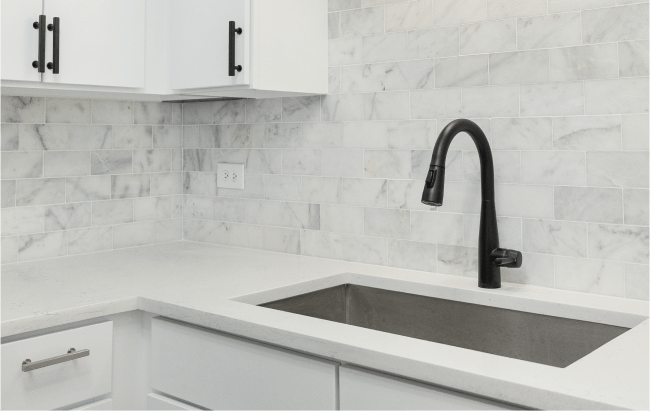
Sealers matter for cementitious grout. Neither porcelain nor glazed ceramic needs a penetrating sealer across the tile face, but the grout does enjoy the protection. Porcelain’s low absorption makes cleanup straightforward. Some ceramics have a more receptive surface that will hold onto grout haze unless thoroughly cleaned during installation.
Style, texture, and the look of real materials
Porcelain has leapt forward in realism. Stone looks, concrete looks, and wood-look planks with textured faces and register-matched graining make a convincing floor that survives water and pets without the downsides of the natural material. If you want one surface that runs from an entry straight into a powder room and continues into a kitchen without breaking stride, porcelain is the closest thing to set-and-forget.
Ceramic brings color and glaze depth that stone looks rarely capture. Subtle crazing in the glaze, slight edge variation, and the way light bounces off a glossy ceramic backsplash add visual movement. If your design leans to warm, lived-in, and layered, ceramic often reads better than a hyper-real porcelain stone clone.
Moisture, cold, and Chicago winters
Where freeze-thaw cycles enter the picture, porcelain’s low absorption wins. Exterior stoops, garage entries that get snowmelt, or three-season rooms that dip below freezing do better with porcelain. For interior only, both porcelain and ceramic thrive, but porcelain shrugs off puddles and salt more easily.
In bathrooms, I prefer porcelain on shower floors and walls, particularly for households that run long steamy showers. On a recent project, we swapped a homeowner’s ceramic shower wall selection for a similar porcelain based on the home’s venting limitations. Less absorption meant fewer worries about long-term moisture in the assembly.
How maintenance looks five years out
Both tile types clean with warm water and a pH-neutral cleaner. The difference shows up in what happens when life goes sideways. Red wine on a porcelain kitchen floor, left overnight, is rarely a problem. The same spill on a glossy ceramic with pinholes in the glaze might require elbow grease and a second pass with a non-abrasive cleaner. A dropped cast-iron pan may chip a ceramic glaze more noticeably than it will mar a color-body porcelain.
Grout upkeep matters more than tile maintenance. If you want to keep grout bright, pick a mid-tone that hides dirt or an epoxy grout that resists staining. Large-format porcelain with tight joints reduces exposed grout and simplifies upkeep.
Budget guardrails and hidden costs
You will see porcelain start higher per square foot than comparable ceramic. Add the cost of blades, more demanding substrate prep, and potentially higher labor. The hidden cost shows up when tile is selected without considering the surface beneath. Large-format porcelain over a wavy floor means hours of prep. If you are trying to follow guidance on How to Plan a Home Renovation on a Budget, pick a tile size that matches your existing conditions or allocate funds for leveling.
We have also seen projects where ceramic was selected based on shelf price, then changed midstream after a flood or layout change forced new use cases. That kind of pivot eats contingency. Deciding material based on the room’s realities prevents those surprises.
Where Revive 360 Renovations leans toward porcelain
For years, our crews at Revive 360 Renovations have treated porcelain as the default in high-traffic kitchens, mudrooms, and full baths. One project that stands out sat on a corner lot that took the brunt of winter slush. The homeowners wanted a warm limestone look. A natural stone would have etched and stained under salt boots. We installed a textured porcelain that simulated the stone convincingly, paired it with a mid-tone grout, and the floor still looks fresh after five winters. The combination of low absorption and surface texture cut down on slip risk, which mattered with two toddlers tearing in from the snow.
We also rely on porcelain in laundry rooms with stacked sets and drain pans, and any bath where the plan includes a curbless shower. The lower absorption and added strength reduce the worry factor in https://dominickpnqk288.theburnward.com/signs-your-hardwood-floors-need-refinishing-before-it-s-too-late wet assemblies, especially when we integrate linear drains and large-format slopes.
Where Revive 360 Renovations recommends ceramic
We reach for ceramic when a homeowner chases a particular glaze or shape and the space’s demands are modest. A favorite was a 1930s bungalow kitchen where the client wanted a backsplash that felt layered and handmade. We sourced a beveled ceramic subway with a hand-mottled glaze that played with light. It did not need porcelain’s muscle, and the budget loved ceramic. The same held true for a powder room floor where we used a ceramic mosaic with a strong pattern. The room saw only occasional foot traffic, and the visual impact outweighed the performance edge of porcelain.
Ceramic also helps when you need many odd cuts. On a fireplace surround with arched returns, ceramic’s easier workability sped installation and allowed tighter reveals with less tool wear. The final fit looked crisp even with small adjustments on site.
A side-by-side snapshot that respects nuance
If you fast-forward a decade, porcelain usually looks as installed in wet, gritty, or sun-drenched spaces. Ceramic holds up beautifully where moisture is controlled and impact loads are light. If you need one material that can move around your whole house, porcelain is simpler. If you want to fine-tune material by room to maximize design and stay on budget, ceramic becomes part of the toolkit.
Don’t forget the subfloor, tile size, and pattern
Tile size changes the rules. A 24 by 24 porcelain needs a stiffer, flatter substrate than a 3 by 12 ceramic. Herringbone and chevron magnify layout errors. If your slab or wood subfloor crowns or dips, identify that early. Sometimes the right choice is a mid-size porcelain that forgives the surface while delivering the durability you need.
Pattern also affects slip and feel underfoot. Polished porcelain reads elegant but can be slippery, especially near entries. A honed or matte finish with a light texture increases traction. Ceramic glazes vary widely; test a sample wet if you plan to use ceramic on a floor.
Radiant heat, thermal mass, and comfort
Both porcelain and ceramic pair beautifully with radiant floor heating. Their thermal mass and conductivity spread heat evenly. Porcelain’s density provides slightly better conductivity, which can translate to a more responsive feel, though the difference is minor in most homes. Always use a mortar and grout rated for heated floors, and allow for movement joints at the perimeter. For radiant retrofits over wood subfloors, the added weight of large-format porcelain warrants a quick check of structure and underlayment thickness.
Repairs and long-term availability
Porcelain’s through-body or color-body construction can hide the look of a small chip. Many glazed ceramics expose a different color beneath. The real trick in either case is having a few extra boxes stored away. Dye lots change, and formats get discontinued. We advise homeowners to keep 5 to 10 percent extra tile after installation. That small stash makes localized repairs painless.
If a match is unavailable down the road, patterned ceramics are harder to blend than solid or stone-look porcelains. In those cases, we have cut replacement pieces from closet areas or under appliances to maintain the visible field and tucked the off-lot pieces where they will not be noticed.
The choice through typical rooms
- Entry or mudroom: Porcelain, matte or textured surface, mid-tone grout. Salt, grit, and wet boots will not faze it. Kitchen floor: Porcelain for busy households. Ceramic can work in gentle use kitchens, but watch for dropped cookware and moisture. Kitchen backsplash: Ceramic takes the win for design variety and budget. Powder room: Ceramic floor and wall options are wide open, as long as the floor tile has the proper wear rating. Primary bath: Porcelain on floors and shower assemblies. Ceramic can be used on dry walls or vanity backsplashes. Laundry: Porcelain, especially if you have a second-floor location or potential overflow risk. Outdoor or unconditioned spaces: Porcelain with frost-resistant ratings.
The quiet value of grout layout and movement joints
A beautiful installation can fail without accommodation for building movement. Long runs of tile need soft joints at intervals and at perimeters. We specify silicone color-matched joints where tile meets tubs, cabinets, and walls. The wider and stiffer the field, the more important these details become. Porcelain’s rigidity demands respect for movement. Ceramic is slightly more forgiving, but it is still tile, not rubber.
Grout line planning also shapes the outcome. Centering fields, avoiding slivers at walls, and using layout dry runs to foresee cut placement will do more for the finished look than any single specification on a data sheet. When tile sizes vary slightly, ceramic’s wider joints provide grace. For rectified porcelain, a test board helps set joint width that balances the crisp look with practicality.
Maintenance habits that keep tile looking new
Sweep grit, mop with a neutral cleaner, rinse well, and reseal cementitious grout every couple of years. Skip waxes and oily soaps that leave films. Use felt pads under heavy furniture. If you drop a sharp object and chip a tile edge, save the shard; a professional can bond it back invisibly in some cases. For hairline cracks in grout, watch. If they expand seasonally, a single movement joint at the perimeter may relieve stress better than repeated patching.
Where design trends intersect the choice
Two trends shape material picks this year. First, large-format stone looks in kitchens and main baths lean toward porcelain for the uninterrupted canvas they provide. Second, color-forward tile on walls, especially muted greens and blues, looks stunning in ceramic, with subtle variation that machine-precise porcelain sometimes lacks. If you are tracking Chicago Home Remodeling Trends to Watch in 2025, expect more textured, matte porcelain underfoot and bolder, glossy ceramic on walls. Both support universal design goals with slip management and contrasting surfaces that aid visibility for all ages.
Avoiding hidden costs and timeline slips
Tile arrives late more often than homeowners expect, especially specialty ceramics from small-batch makers. Build a cushion into How to Create a Remodeling Timeline That Works. Order early, confirm dye lots and caliber, and open a few boxes to check for warpage or shade variance before crews mobilize. With porcelain, verify the exact finish, because many lines offer multiple textures under the same name. Swapping finishes mid-installation derails schedules.
And if you are choosing materials as part of How to Increase Home Value with Strategic Renovations, durable, neutral porcelain floors in high-traffic areas tend to resonate with buyers, while expressive ceramic backsplashes and feature walls deliver personality that can be repainted around if tastes change.
What a seasoned tile consultation covers at Revive 360 Renovations
During a typical tile consultation, our team at Revive 360 Renovations reviews room-by-room use, subfloor condition, and any known moisture exposure. We bring sample boards and test them in your actual light, because overhead LEDs and afternoon sun reveal different qualities. We cross-check slip ratings for shower floors and verify whether your layout favors rectified porcelain or a slightly eased ceramic. If your remodeling plan includes radiant heat or transitions to hardwood, we map elevation changes so thresholds feel intentional, not like trip points.
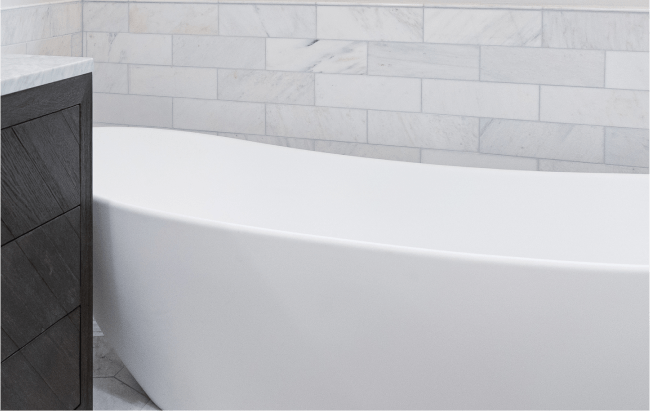
We also talk through long-run maintenance and the bits no one advertises. For example, a polished porcelain that looks perfect in a showroom might mirror pet paw prints in your kitchen. A deeply textured ceramic backsplash can catch cooking residue. These small observations save homeowners from frustrating daily chores.
Lessons learned from past projects with Revive 360 Renovations
On one downtown condo, the homeowner insisted on a highly polished large-format porcelain in the primary bath. The slab was within tolerance, yet the tight joint and reflective surface amplified every minor undulation. Our crew proposed a light honed finish in the same series and added a skim coat to improve flatness. The owner accepted the change, and the finished room reads calm and monolithic instead of wavy. The lesson: porcelain rewards precision. If you want mirror finishes, commit to substrate perfection.
Another project involved a historic row home with uneven walls and a desire for a jewel-box powder room. We used a hand-glazed ceramic with visible variation, widened grout joints slightly, and leaned into the irregularity rather than fight it. The small space now glows, and the tile’s character turns an awkward alcove into a feature. The lesson: ceramic’s charm can solve imperfect geometry with grace.
A concise decision guide you can trust
Use porcelain when you need maximum durability, low absorption, and tight, modern lines. Use ceramic when design expression, easier installation, and value take priority, especially on walls and light-duty floors. Confirm slip ratings for floors, wear ratings for glazed surfaces, and substrate flatness for large formats. Decide grout width and color as part of the design, not as an afterthought. Keep a few boxes of extra tile for future-proofing.
With those principles, your choice between porcelain and ceramic becomes less about marketing and more about how your home will live day to day. Matching the material to the room, the subfloor, and your maintenance tolerance yields a finish that looks right on day one and still feels smart years later.